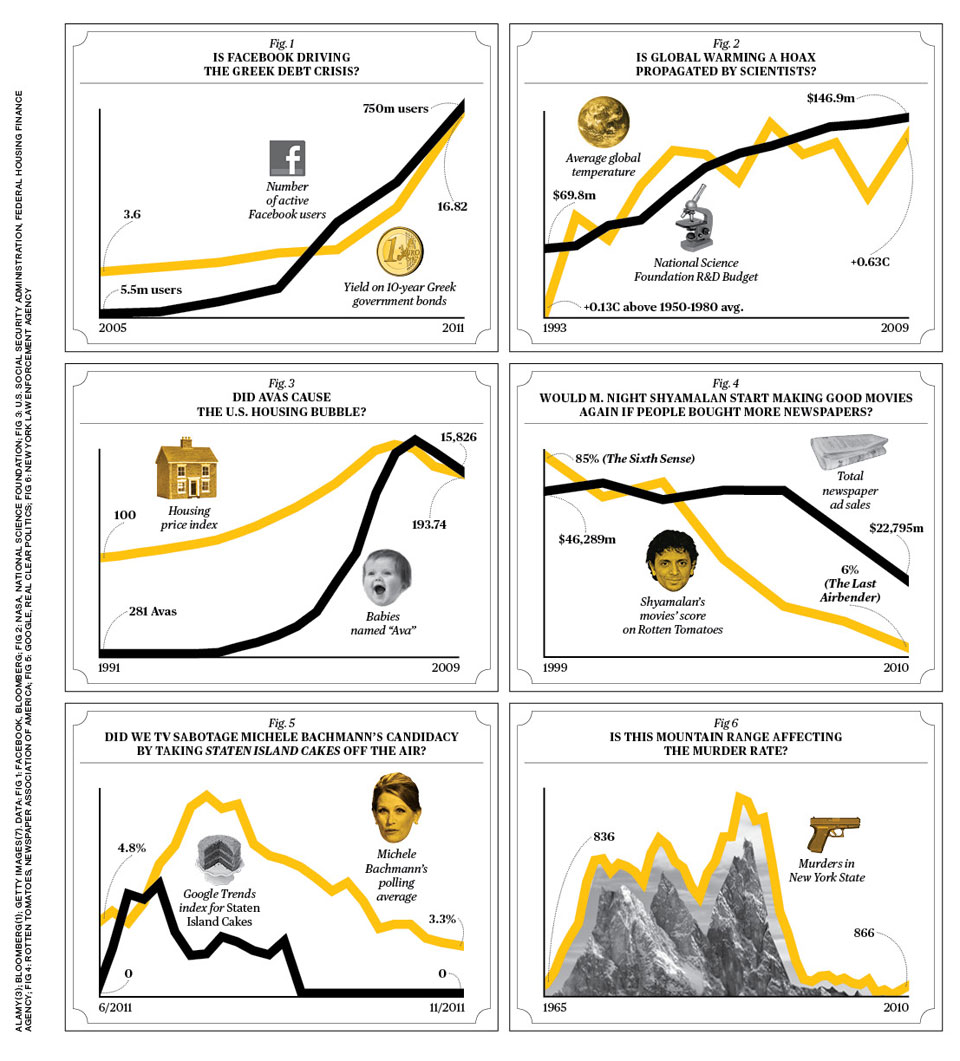
Chogram posted:
http://gamepolitics.com/2011/08/23/research-video-games-help-reduce-crime-rates-us
Or are those guys plopping brain **** also?
That's an article about the article. I'm not even going to scan that one for BS.
Here's the actual article:
http://papers.ssrn.com/sol3/Delivery.cfm/SSRN_ID174508_code010501110.pdf?abstractid=174508&mirid=1
Now, were they dropping brain s**t? Possibly. Very few social science experiments can follow the "holy grail" pattern of perfectly random selection, perfectly random assignment to experimental and control groups, pre-test post-test and all other factors except the experimental variable identical to both groups, and multiple blinds on the participants and data collectors. Those that can't do this have the drawbacks of weaker conclusions and the impetus to justify their methods to the audience, to convince us that their methods were valid.
Most of the paper is about the "sniff test" justification for their conclusions, and the actual methods aren't much more involved than what they include in the abstract. (That's not unusual.) I don't think they present a *conclusive* case for their argument, particularly when they try to extrapolate their findings to "possibly 50% reduction in crime" and other dubious conclusions.
What differentiates them from your Atari example, however, is that they were able to find correlations (and yes, correlation <> causation, but economic researchers in particular have a lot of tricks to help infer cause from correlation, especially when one demonstrably occurs *before* the other) between different abortion rates and abortion laws pre Roe v Wade that supported their hypothesis.
The comparison to your example would be the Atari 2600 being released at different times in different states, and comparing sales figures per capita in various states to crime rates. Theirs might still be a spurious correlation, because it's impossible to account for all other potential variables retrospectively over such a large period of time. The *reasonable* assumption that anything that affects such a large, wide, and diverse group of people would round out helps them here.
I think they present a reasonable argument to believe that abortion *could* be a factor, but they don't make a strong enough case to seal the deal. It would be strong enough to use as a basis to create other experiments to determine what the precise link could be, such as Levgre's and my side discussion of socioeconomics versus sociopaths. It's not strong enough for a politician to use as a justification for legal abortion in her political platform, let alone to set government policy.
-----signature-----
"... We just need a president to sign this stuff... Pick a Republican with enough working digits to handle a pen to become president."
-Grover Norquist
.
MICHIGAN - Where the trees are the right height!